

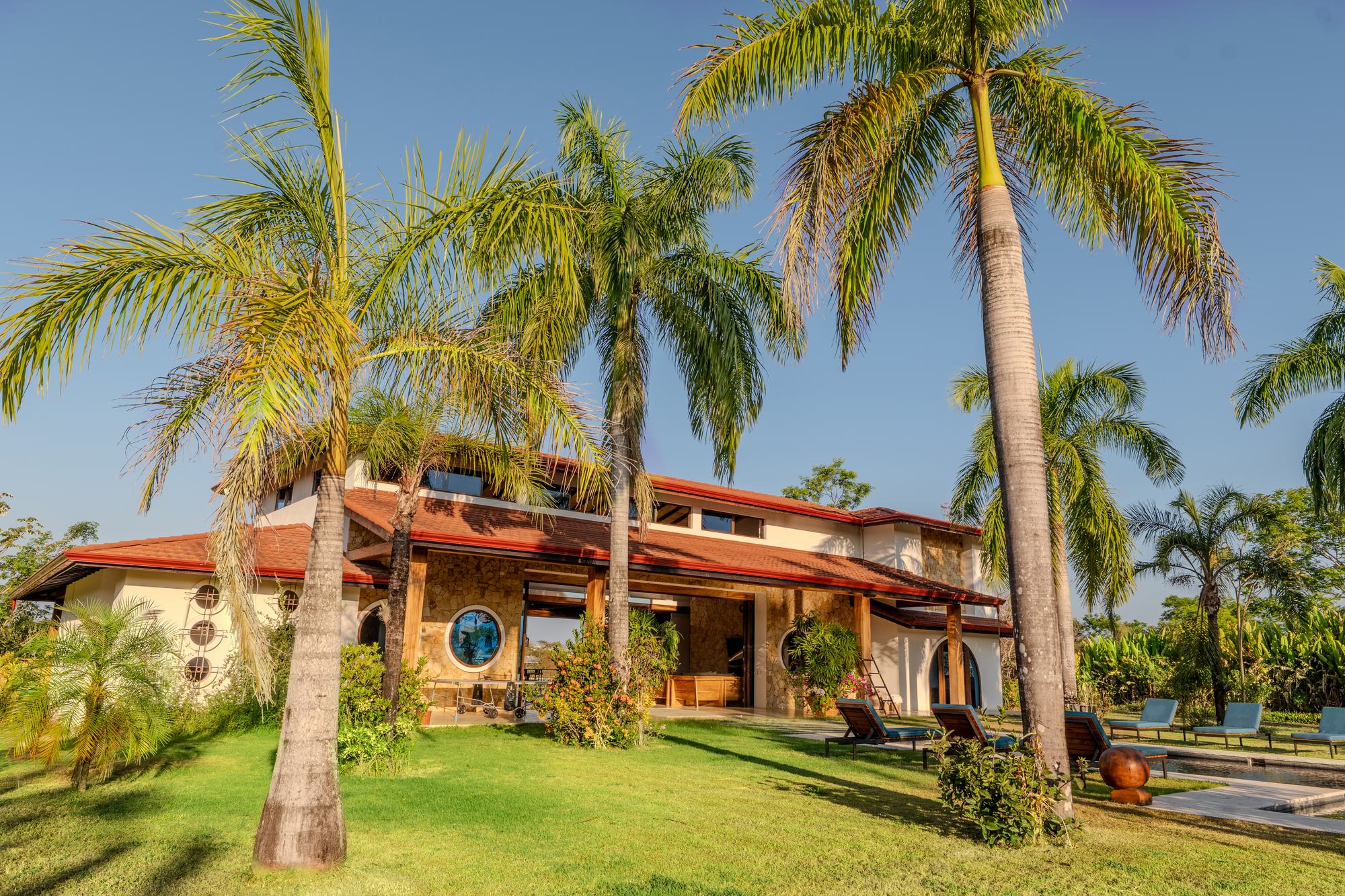
A corporate retreat can go sideways before anyone lands. The usual pattern is familiar — half the team in one hotel, leadership in another, meeting space that feels borrowed, and logistics that eat into the very time set aside for connection. A Costa Rica corporate retreat villa works differently when it is chosen well. Instead of piecing together rooms, transport, meals, and gathering space, your team stays together in one private setting designed for both downtime and productive time.
For founders, executive teams, creative agencies, and leadership groups, that difference matters. The right property does more than provide beautiful accommodations. It creates the conditions for better conversation, easier planning, and a retreat that feels elevated rather than improvised.
What makes a Costa Rica corporate retreat villa worth booking
A villa for a team retreat is not simply a large vacation rental. For business groups, the real value is in how the property functions over several days with multiple personalities, work sessions, meals, and off-site activities all moving at once.
Privacy is usually the first reason teams choose a villa over a hotel. Sensitive conversations happen more naturally when your group is not sharing space with other guests. Strategy discussions, leadership workshops, and informal evening debriefs all benefit from a setting that feels self-contained.
The second advantage is cohesion. When everyone is staying under one roof, or at least on one estate, the retreat keeps its rhythm. Breakfast turns into a planning session. An afternoon surf lesson becomes a better opener for dinner conversation. The best moments often happen between the scheduled ones, and that only happens when the group is not dispersed across town.
Then there is the operational side. A true retreat-ready villa should reduce the work required from whoever is organizing the trip. If your team has to coordinate housekeeping issues, meal timing, airport pickups, and activity bookings one by one, the property is not doing enough.
Location matters more than the photos
Costa Rica offers very different retreat experiences depending on where you stay. Some groups want rainforest immersion with a quieter pace. Others want beach access, a social atmosphere, and enough nearby activity to keep the itinerary interesting without overbuilding it.
For many US-based teams, Santa Teresa stands out because it balances natural beauty with a distinctly elevated travel experience. You have surf, yoga, excellent dining, private chefs, wellness treatments, fishing, ATV excursions, and sunset settings that make even a short retreat feel memorable. It is relaxed, but not underwhelming. That balance tends to work especially well for teams who want the trip to feel rewarding without losing structure.
That said, location should match the purpose of the retreat. If the agenda is heavy on workshops and planning, a more private hilltop setting with enough on-site space can be a better fit than something directly in the center of activity. If the goal is celebration and team bonding after a major milestone, easy access to the beach and local experiences may matter more.
The question is not simply whether the destination is beautiful. It is whether the setting supports the tone and pace your group needs.
The best villa layouts support both work and downtime
One of the biggest mistakes in retreat planning is assuming guest count is the same as functional capacity. A house that sleeps 12 does not automatically work well for 12 professionals sharing several days together.
A strong Costa Rica corporate retreat villa should offer private bedroom suites, generous common areas, and enough separation for people to reset between group sessions. En-suite bedrooms matter more than many planners expect. Executives, partners, and key team members generally want privacy and comfort at the end of the day, especially on multi-night stays.
Shared space matters just as much. Look for indoor-outdoor living areas where the group can gather without feeling compressed, as well as dining setups that allow everyone to sit together. Pool areas, shaded terraces, and lounge spaces are not just aesthetic features. They give the retreat room to breathe.
This is where estate-style villas tend to outperform smaller luxury homes. When the property feels like a private resort rather than a large house, the group experience becomes much smoother. There is less friction around where to meet, where to eat, and where people can break away for a quiet call or a bit of rest.
Service is what turns a villa into a retreat venue
Luxury in a retreat setting is not only about finishes and views. It is about support.
For corporate groups, the most useful villas come with hospitality infrastructure already in place. Daily housekeeping keeps the property polished without your team managing the details. On-site hosts or concierge support help handle moving parts before they become distractions. Security adds reassurance, particularly for international groups carrying devices and valuables.
Meal planning is another major factor. Retreats often lose momentum when food is treated as an afterthought. A villa that can coordinate private chefs, grocery stocking, and well-timed group meals saves hours of decision-making and keeps the experience feeling intentional.
Transportation also deserves more attention than most teams give it. In Costa Rica, especially in beach destinations, arrival logistics can shape first impressions. A property with reliable coordination for airport transfers, local drivers, and excursions makes the entire retreat feel calmer from the start.
At the high end of the market, these are not extras. They are part of what makes the stay viable for a professional group.
How to tell if a villa fits your retreat agenda
Not every retreat is built around presentations and breakout sessions. Some are designed for team bonding, some for founder strategy, and some for a mix of work and celebration. The property should reflect that.
If your agenda includes focused work time, ask whether there is space for everyone to gather comfortably for meetings. You may not need a formal conference room, but you do need seating, shade, strong Wi-Fi, and enough quiet to hold attention. Open-air spaces can be ideal if they are protected from heat and distraction.
If the retreat is more relationship-driven, you may care less about formal setup and more about flow. Can the group move easily from breakfast to a planning chat, then to the pool, then to a chef-prepared dinner without leaving the property? Those transitions often determine whether a retreat feels effortless or fragmented.
For leadership groups, discretion may be the deciding factor. A private estate with fully managed service allows candid conversation in a way that public hospitality settings often do not.
Why Santa Teresa works so well for modern teams
Santa Teresa has a particular appeal for corporate retreats because it does not feel overly programmed. It offers enough structure to support a premium stay, but still feels relaxed and destination-led.
That matters for teams who spend most of the year in fast, scheduled environments. A retreat here can include surf lessons in the morning, strategic planning in the afternoon, and a long dinner at sunset without the day feeling crowded. The setting itself does part of the work by lowering the pressure and encouraging people to show up differently.
There is also a cultural fit for many startups, creative firms, and modern leadership teams. Santa Teresa feels polished without being formal. It attracts travelers who appreciate design, wellness, nature, and comfort in equal measure. For a corporate group, that often lands better than a convention-style destination.
In the right property, the experience becomes even stronger. A villa such as Tanit Villa gives a team the privacy of a standalone estate, the comfort of five en-suite suites, and the support structure needed for a group stay to run well from arrival to departure.
A few trade-offs worth thinking through
A villa retreat is not the right answer for every company. Larger organizations that need extensive AV, formal breakout rooms, or dozens of separate bedrooms may be better served by a resort buyout or hotel-based event setup.
There is also a question of group dynamic. A private villa creates closeness, which is usually the point, but some teams may want more independence than a shared estate naturally provides. That is why layout, bedroom privacy, and outdoor space matter so much.
Budget should be considered in the full context of the trip. A premium villa may look expensive compared with booking individual rooms at first glance, but the calculation changes when you factor in shared common space, private dining, concierge support, transportation coordination, and the value of keeping the team together. For the right group, it can be the more efficient choice as well as the better experience.
The best retreat properties are the ones that remove friction while still giving the destination room to shine. If you are planning a corporate stay in Costa Rica, look beyond surface-level luxury and focus on how the villa actually works for a group. Space, privacy, service, and setting are what turn a beautiful house into a retreat your team will keep talking about long after the flight home.
Tanit Villa is a gated private estate for up to 12 — five en-suite suites, expansive indoor-outdoor space, an 18-metre pool, private chef and daily service, with transfers and activities coordinated for you.
Enquire about retreats